
Helpful advice
Grief doesn’t have a timescale. Nor is it the same for everyone.
It’s uniquely personal to you and your circumstances. What we do know is that it can take you by surprise, influence your behaviour and have a serious impact on your life.
“This is a sample testimonial quote to demonstrate the block preview. ”
John Doe
this is test
Test
aaa
Look after yourself
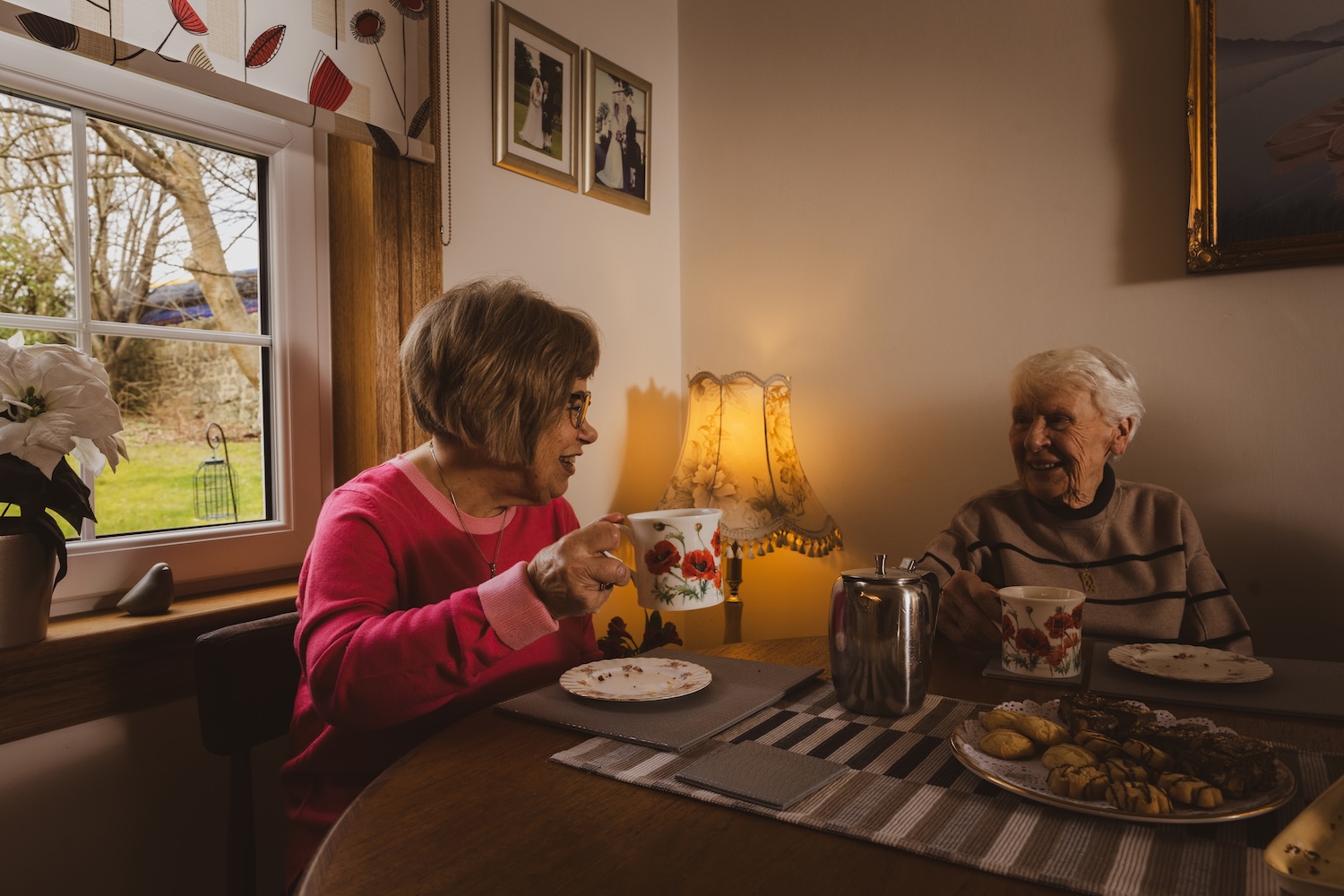
Feelings associated with grief can be intense. Bereavement can trigger anger, numbness, exhaustion, frustration, loneliness, depression – and many more emotions. Take it from us. Having supported many families through the grieving process our advice is:
Go easy on yourself
Change is inevitable as you come to terms or process the absence of someone else. So allow this to happen at a pace you can manage. Be aware of your limitations while you are mourning and beyond. Don’t pressure yourself to do or be anything other than who and where you are. Don’t undertake too much. Save important decisions for a later time. And where possible, be kind to your body, health and wellbeing (you know best what that means for you).
Take time to grieve
We know there’s no time frame to managing after a loss. Allowing yourself to grieve may need space – and that space may be required at a most unexpected time which could be many months later.
Feelings can be different
You may experience feelings you’ve never had before, or equally, they’re familiar but can suddenly feel extreme. It’s quite normal to feel differently after a loss. As time passes, emotions come and go in varying waves of strength. We say, don’t bottle them. What you feel is real and if you can acknowledge this, so you and those around you can react accordingly.
People who know you may see a change before you do
Recognise you may be behaving differently or someone close to you may point to your behaviour or actions that are new, sometimes in response to familiar situations that you used to cope with. That’s ok too. It’s important you don’t ignore signs of change or bottle feelings up.
Your loss is personal
While people can empathise, sympathise and be a great source of support, we also recommend you don’t succumb to stereotypes about loss. No matter how well meaning they can be, others will never know what you’re experiencing. Acknowledge your feelings and help those around you understand so they can adjust too.
Others don’t know best
Don’t allow other people’s opinions or experiences to influence you about what to feel, think, or do. Through good intentions, our urge to not upset someone, to include them and return to a safe, secure, normal, may actually achieve the opposite. You come first, so we recommend finding a way to explain how you feel to hosts, family and friends in advance of situations. And recognising there is not a formula for grief also means acknowledging the hollowness of cliches like “time heals” or “it’s been months now”.
Create a support system
Your loved ones know you. They may be your best source of support. It’s also possible that they can’t really understand how you feel in this new normal. Whoever you find to help, surround yourself with people who respect what you’ve gone through; those who you know will be there for you when you need them, to listen, to support and encourage you. Even if this means establishing NBFs (new best friends).
Memories matter
Treasure the mementos, pictures or personal items that help keep memories special. They’re part of your loss and while there is a new future to face, memories of your loved one are worth cherishing. There’s still time to create new ones.
Something to watch for
People who know you may notice a change before you do. If someone close mentions new behaviours or reactions, it’s worth pausing. Ignoring signs of change or bottling feelings rarely helps.
We’re not experts on loss, but there’s plenty of people who are. In every branch, we offer complimentary books on grief, bereavement and loss from leading authors and specialists, both for adults and children. Simply come into your nearest branch, or call us and we’ll arrange for these to be available for you to take away.
Here’s a range of further resources we offer to help you or someone you love.
Acorns: our bereavement support programme

Acorns
Complimentary · Only available in Edinburgh and the Lothians · In-person · 6-week programme
Recognising the need for ongoing care after a funeral, William Purves offers a complimentary bereavement support programme. Acorns is in-person group support delivered over six weeks, offering practical skill-sharing from professionals in areas like health, nutrition and finance.
Its real value lies in the bonds formed amongst attendees. In a very short time, trust and understanding brings twelve strangers together — no matter their age or background — and these relationships provide invaluable support for years to come.
For more information and upcoming course dates, visit our Acorns website.
Free one-to-one counselling

As a client of William Purves, you can access free bereavement support delivered by a qualified counsellor through SAIF, the Society of Allied Independent Funeral Directors.
SAIF bereavement counselling
Free for William Purves families
- Up to six free sessions, usable by one person or split among family members
- Sessions available by phone, online chat or email
- Face-to-face sessions may be available — explore this during your introductory call
Local bereavement support
Depending on where you are, there are trusted local providers we can point you towards for group or individual support.
Richmond's Hope
Young people aged 4–18
Richmond Craigmillar Church, 227 Niddrie Mains Rd, Edinburgh, EH16 4PA Specialist support through individual or group counselling, play and other activities for bereaved young people.
0131 661 6818 • richmondshope.org.uk
Streetwise
North East England
Unit 3 Blackfriars Court, Dispensary Lane, Newcastle upon Tyne, NE1 4XB
Nationwide bereavement support
There are many organisations across Scotland and England who can provide you with either general or more specialised support.
Cruse Bereavement Support
General bereavement support in Scotland and the rest of the UK.
Facing The Future
6 week course organised by Samaritans and Cruse, focussed on those bereaved by suicide loss.
Child Bereavement UK
Support for children aged 0-25.
Learn more • 0800 02 888 40
Childrens Hospices Across Scotland (CHAS)
Sands
UK’s leading baby loss charity, running local support groups across the UK.
Held In Our Hearts
Helping those experiencing baby and infant loss in Scotland through peer to peer and hospital to home support.
NHS
Medical or urgent support
If you are finding it difficult to cope and require additional medical or professional support, your GP can offer advice and help you access local services.
In Scotland, NHS Inform also provides information and self-help guidance on bereavement and grief, including advice on when to seek further support.
For those in England, the NHS website provides guidance on coping with grief, as well as information on accessing mental health support.
If you need urgent support, call NHS 24 on 111.
If your or someone else’s life might be at risk, call the emergency services on 999.
Books and guides
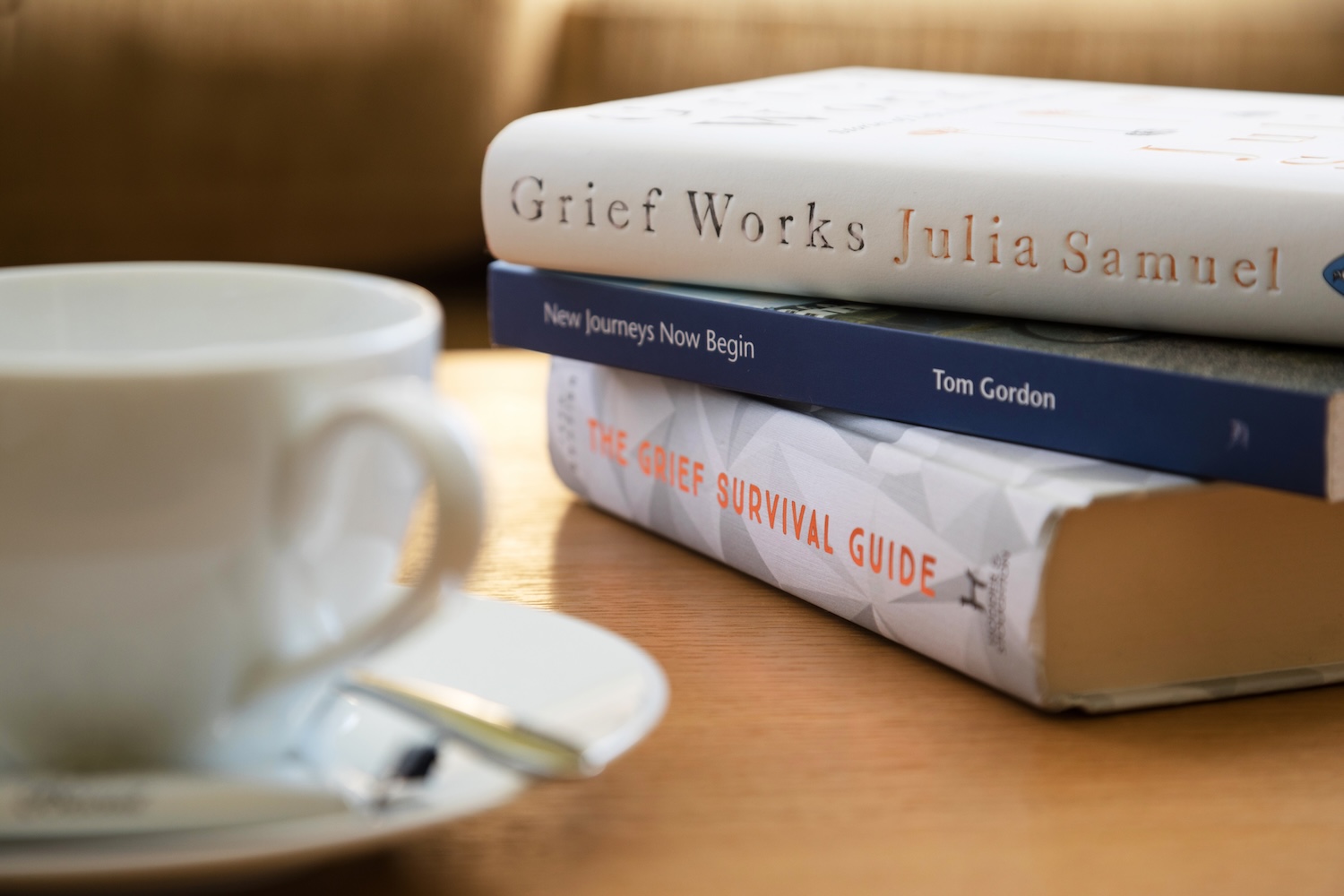
In every branch, we offer complimentary books on grief, bereavement and loss — for adults and children — from leading authors and specialists. Come into any branch, or call us and we’ll have them ready for you to collect.
We're here when you're ready.
Whether you have a question or simply need someone to talk to — please reach out.